SDSU Alumna Jamie Ballard on Versatility, Freelancing and Finding Her Voice
SDSU alumna Jamie Ballard built a versatile freelance writing career shaped by her Daily Aztec newsroom experience, blending data storytelling, cultural reporting and immersive interviewing while encouraging students to pursue connections and follow stories that inspire them.
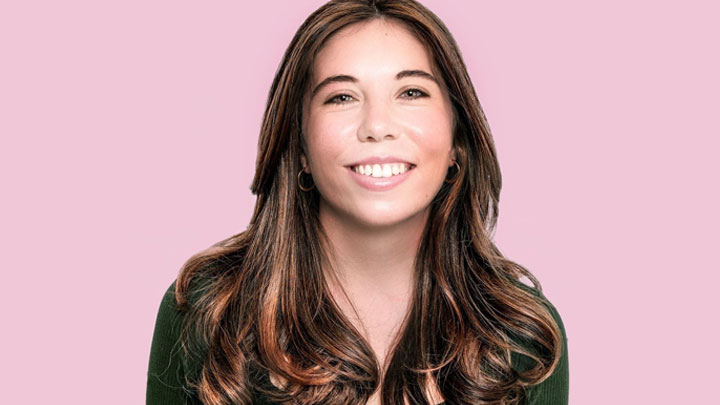
SDSU alumna Jamie Ballard has built a career writing across lifestyle, culture and data storytelling, with bylines in major outlets and a schedule she designs herself. Her path started at The Daily Aztec, where she learned to chase stories and trust her voice.
“When I came to SDSU, I already knew I wanted to study journalism,” Ballard said. “Working for The Daily Aztec was very instrumental.”
Ballard first served as a news editor for The Daily Aztec before eventually stepping into the managing editor role for a year. She said her time in the newsroom, especially as a news editor, had a significant impact on how she developed her approach to storytelling.
“As a news editor, every time there was a protest or something happening on campus, I wanted to be around to see what was happening,” Ballard said.
Even when another reporter had already been assigned to cover an event, Ballard still showed up to observe and listen. She said that being present and paying attention to the details unfolding in real time is a key part of what makes strong journalism.
Beyond her work at The Daily Aztec, Ballard’s time in SDSU’s School of Journalism and Media Studies gave her the chance to learn from bestselling author and award-winning reporter Mike Sager. She said his deeply immersive interviewing style was unlike anything she had encountered before, and it continues to influence how she approaches storytelling today within her work as a freelance journalist.
Working with clients that range from Ro, a telehealth company, to DatingAdvice.com, Ballard must adapt her voice to fit the expectations of different audiences, a crucial element in being a freelance journalist.
“One of my strengths as a writer is that my voice is versatile,” Ballard said. “As a freelance journalist, every day looks a bit different.”
Ballard’s interest in freelancing grew after she landed the opportunity to write for Cosmopolitan, where she produced one of the pieces she’s most proud of in her career so far.
When Roe v. Wade was overturned in 2022, Cosmopolitan launched a project called “It’s Not Over,” featuring stories exploring the impact of the decision across the country. Ballard’s contribution focused on how Gen Z responded. For the piece, she conducted surveys and gathered firsthand reactions, allowing her to merge narrative reporting with the analytical skills she had developed as a data journalist at YouGov, where she was working full-time.
“Data itself can tell really interesting stories,” Ballard said. “As a reader, I know the data can sometimes seem dry, so knowing how to interview people about data is really important.”
It was around this time that Ballard started thinking more seriously about what kind of writing she wanted to focus on. She valued the analytical side of her work, but she also wanted room to explore different voices, topics and formats.
Ballard said the opportunity to write for Cosmopolitan was a turning point. She enjoyed her role as a data journalist, but she was ready to expand into new types of storytelling. When her contract ended with Cosmopolitan, the timing made sense to transition into freelancing full time.
“I was attracted to the diversity of the work and the flexibility of freelancing,” Ballard said.
Ballard said one of the biggest misconceptions about freelancing is the assumption that it is just another way of saying someone is unemployed. She disagrees. Freelancing, she explained, is full-time work; it simply looks different from a traditional job.
For Ballard, good writing is about versatility. She adapts to the needs of each story and publication while still strengthening the voice that is uniquely hers. That same idea shapes the advice she offers to SDSU students interested in editorial work. She encourages them to put themselves out there early, whether by sharing projects on LinkedIn, building a small portfolio or simply checking in with people they meet along the way.
She emphasized staying connected with the people you meet and leaning into the subjects that genuinely interest you, because that’s often where the best opportunities begin. In her view, storytelling grows where connection and genuine interest meet.