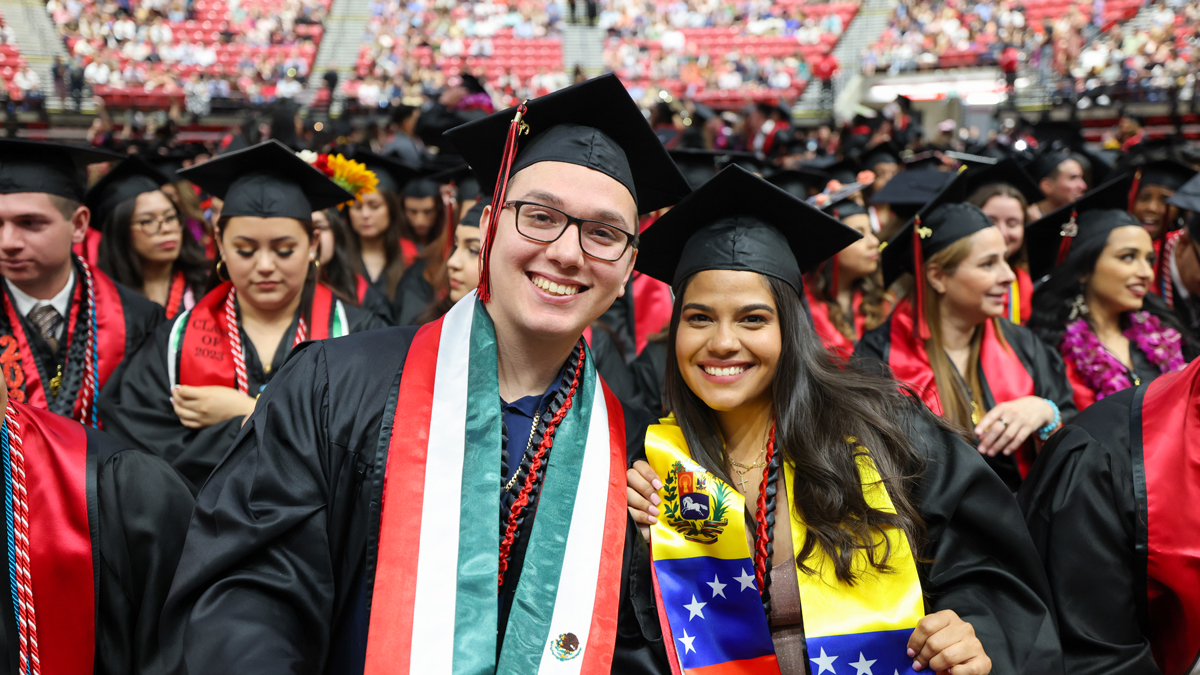
“When She Became The Moon” explores grief and cultural heritage through the power of female friendships
The all-female cast presents a story full of girlhood, horror, humor and cultural identity through a coming-of-age production held at SDSU
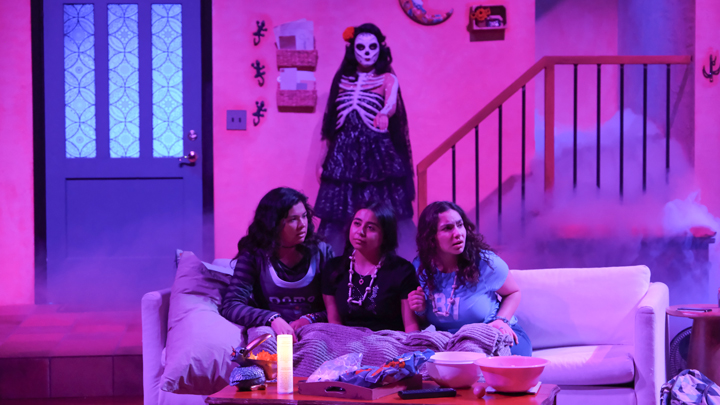
Written by SDSU lecturer and storyteller Mabelle Reynoso, “When She Became The Moon” brings an insightful story of grief, girlhood and cultural identity to the stage. The coming-of-age story follows Jesse, a 12-year-old who wants answers about her sister’s mysterious death but is unable to get answers from the adults around her. Through the newfound friendship of two sisters staying at their Tías haunted house, the three girls begin uncovering secrets traced back to Mexican folklore.
Director Peter Cirino explained that his connection to the play started with his collaboration with Reynoso. They had worked on the Playwrights Project, which partners with SDSU to produce an event featuring staged readings of original plays.
The production also presented director Cirino the opportunity to spotlight the large percentage of young Latinx women in SDSU’s School of Theatre, Television, and Film.
“I really felt like we needed to connect our students to this amazing kind of culture that we're surrounded by because of where we live in San Diego,” Cirino said.
Parker Velazquez, a theater performance major who plays 12-year-old Jessie, was also drawn to the opportunity for cultural representation.
“I’ve never auditioned for someone who was Mexican like I am,” she said. “So that very much drew me to audition because it was for a character who has the same background as me.”
The commitment to access and representation is reflected in the casting itself.
Cirino said, “We don’t ask when they walk in… what’s your experience… we just say audition doesn’t matter… you’re on equal footing here.”
While many of the nine cast members are theater or performance majors, others come from entirely different academic studies. Among them is Keyla Parra Gamino, an economics major. This production will be her debut after taking an acting class with Cirino.
“He mentioned that I should audition. And that was like 2 years ago. When auditions came up, I was really excited because I had read the script and I'd gotten to know these characters. But yeah, a lot of it just came from me wanting to be a part in telling this story. I think it's very important to highlight Hispanic representation, especially in theater,” Parra Gamino said.
Both actresses expressed that the all-female dynamic has positively impacted the rehearsal process.
“I’ve never worked with an all-female cast,” Parker said. “I think it's cool to work in an all-female cast, especially because theater wasn't initially all female, it was mostly done by all male”.
Parra Gamino described the experience as a bonding process that reflects the themes seen onstage.
“The play is about sisterhood, but I feel like me being in rehearsals, I almost feel really close to these girls as well. And we're able to relate to each other on so many different levels,” she said.
Beyond its community impact, “When She Became The Moon” is also significant because it will be the first time the play has been fully staged. Playwright Reynoso has attended rehearsals, giving actors the rare opportunity to ask questions and better understand her vision.
As audiences leave, Cirino hopes they recognize the unity among cultures, feeling a connection to a mentor, like an uncle or an aunt, or perhaps a spiritual bond with people from their community.
“Every culture has kind of the same huge archetypes within them….And I think that you walk away, I always think that maybe you look for that in your life a little bit,” he said.
Through its heritage and bits of humor and horror, the cast invites audiences to experience the piece with curiosity to learn more about other cultures.
Performances will take place on the Prebys Stage at SDSU on February 20, 21, and 24–27 at 7:30 p.m., with additional matinee performances on February 22 and March 1 at 2 p.m. Tickets range from $17-20 and can be found at https://ttf.sdsu.edu/calendar.
Next Story
Union Tribune: Local playwright Mabelle Reynoso's new play at SDSU
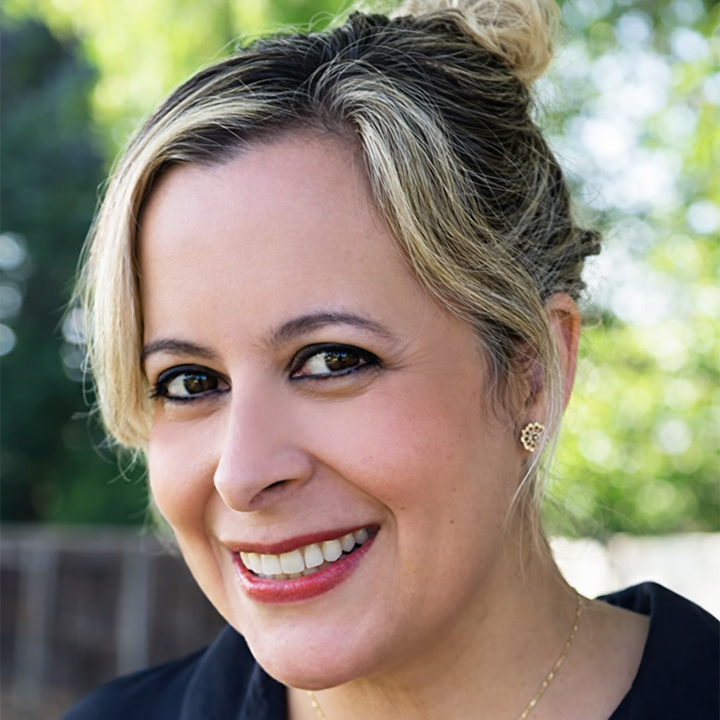
Playwright/storyteller Mabelle Reynoso, who’s also a lecturer at San Diego State University’s School of Theatre, Television, and Filmbegins 2026 with her “When She Became the Moon,” opening Friday on SDSU’s Prebys Stage in the university’s Performing Arts District.
More From School of Theatre Television and Film (TTF)
- “When She Became The Moon” explores grief and cultural heritage through the power of female friendships
- Union Tribune: Local playwright Mabelle Reynoso's new play at SDSU
- From Cold Emails to the NBC Lot: How Isabella Gaeta (‘26) landed her dream internship with NBCUniversal
- SDSU student filmmakers shine on the big screen at the fall Emerging Filmmakers Showcase